
Imagine you’re on social media, when you notice a piece of content that stands out to you because it is helpful, engaging, and speaks directly to your needs. As you investigate further into the website and newsletter sign-up, you make a purchase from them. This is what effective content marketing does.
Table of Contents
What is Content Marketing?
Content marketing is more than just providing random posts through a blog or posting random updates on social media sites. Creating content that actually attracts interest from complete strangers and turns them into loyal customers is what content marketing is about if you do it correctly. When executed correctly, content marketing becomes the greatest channel for driving traffic and generating quality leads for your company, but many businesses do not have the ability to create content that converts.
Content is everywhere in the digital world. Millions of blog posts are published each day, many videos are uploaded, and social media feeds have many, many pieces of information posted in them every minute. So what’s the best way to get attention? How can you create content that captures attention, generates leads, and creates actual business results? In this guide, I will share what successful businesses do to turn their content into a “lead generation machine”.
How to Create Content That Instantly Grabs Attention?

When developing content that will be most receptive to your audience, you need to spend time learning who this audience is going to be. This may seem like common sense – finding out who the target market of a company is. However, there are many organisations who do not take this into account before they begin writing any material and therefore miss out on an excellent opportunity to connect with their customers and engage them through their products and/or services.
Before you start developing any material to be used for marketing, it is extremely important that you understand the wants and needs of the customer you want to attract to your business. Buyer personas should not only reflect basic information like age, gender, and where they live, but also take a deeper look into what drives these ideal customers, what keeps them up at night, and what obstacles they continually face.
If you know what drives the ideal customers and what emotional needs are being met by your content, you will be able to create content that will emotionally connect with the target audience. An example would be creating content for busy working parents — you would create content that focuses on saving time as opposed to creating lengthy processes that require a lot of time to complete.
Doing research is one of the best ways to identify who your target audience is. You can get information about your target audience by conducting surveys, conducting one-on-one interviews, using social media listening tools or by just looking at what types of comments people make on the social media pages of your competitors. These insights can also provide you with valuable information that can help direct you with developing content for your audience.The more specific you can be with your target audience, the more you can narrow down the content to be tailored to them.
You need to think about where your audience spends most of their time online. For example:
- Are they LinkedIn professionals that want long-form articles?
- Are they using Instagram and want to see more pictures?
- Are they watching videos on YouTube and looking for tutorials?
Understanding which platforms your target audience is using will allow you to select the best channel(s) for distributing the content and to create the correct format of content.
Once you have an understanding of your target audience, you should create content that provides REAL VALUE to your audience. Most businesses go wrong at this point, as they spend too much time trying to “sell” their products and not enough time helping their customer base. In terms of content marketing, it’s commonly agreed that if a business follows the 80/20 rule (80% educational value, 20% promotional material), it will have much higher success rates in content marketing efforts.
Value can come in many forms. Educational content would provide your audience with new information about something, such as a guide or insight into an industry. Entertaining content may cause your audience to laugh or feel positive emotions. Inspirational content is likely to motivate or inspire your audience. Mixing and matching these different types of value will allow you to consistently create fresh and interesting content for your audience. Think of the last time you sent your friend something via email. What type of value did it provide?
Another very powerful tool in your content-grabbing toolbelt is storytelling. We’ve had it ingrained in our DNA for thousands of years now, which is why we are all instinctively compelled to resonate with stories. Stories also evoke an emotional attachment to us; thus, we will retain memories better. For example, you can tell customer success stories; you can give people an inside look into your operations or tell genuine stories about you personally and your experiences and how they relate to what you do in this industry or any other area of your life. These unique experiences create relatability and memorability to your brand.
You don’t have to be afraid of showcasing your personality in the content you create. This is important because people tend to connect with people and not with some corporate logo or name. When creating brand content, be consistent with whichever approach feels most natural to you. Whether that be humorous, serious, inspirational, or eccentric, embrace it and let it show in your written content. This level of authenticity will create TRUST with your readers, as well as giving them a reason to differentiate your content from all of the mediocre, generic, corporate business content that floods the marketplace every day.
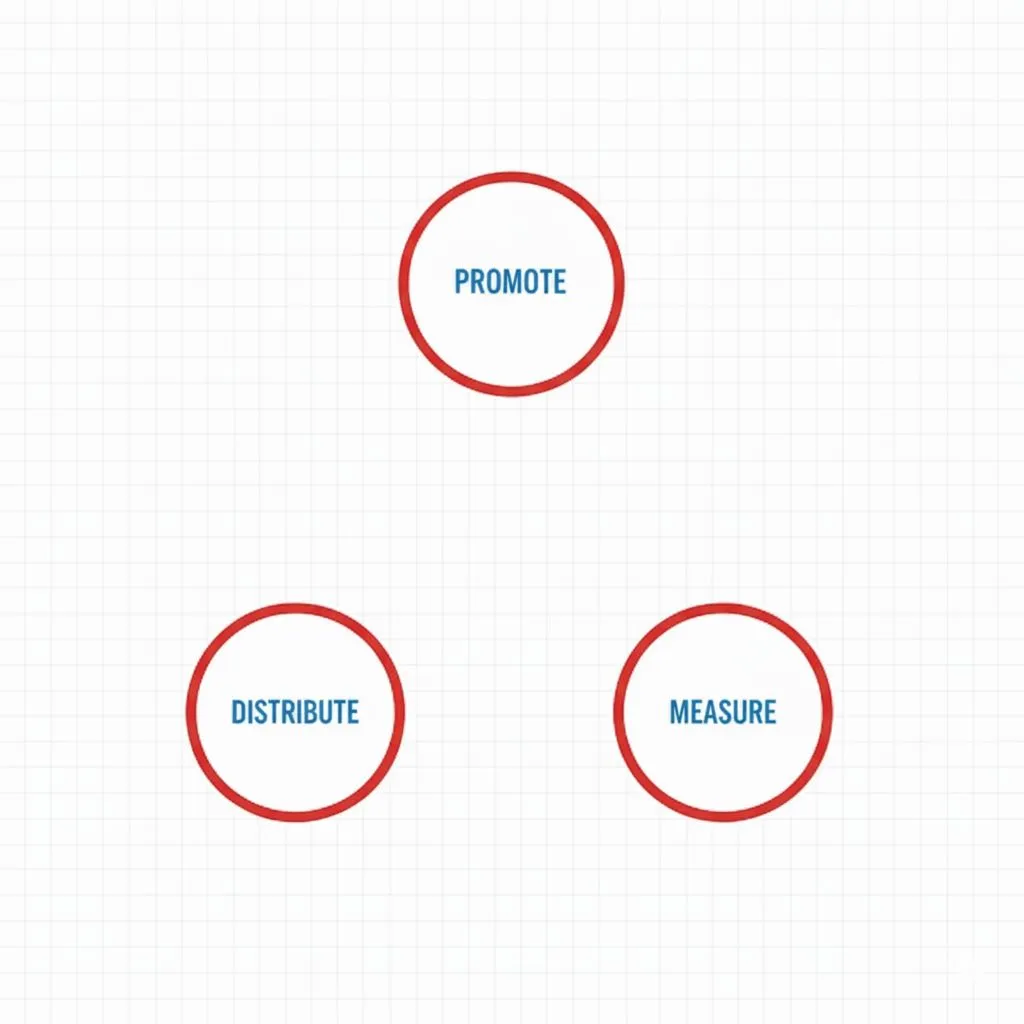
How to Promote, Distribute, and Measure Your Content
SEO Optimisation: How to make your Content FINDABLE
You can publish high-level quality content, but if no one can FIND your content, it is a failure. Search Engine Optimisation (SEO) is the process of making sure your content appears on top for people who are searching for articles in relation to the topics you write about online. It’s not simply a matter of KEYWORD stuffing; rather, current day SEO refers to creating content geared toward the reader’s USEFULNESS and the subsequent ranking that will occur as a result of the usefulness/value of the site as perceived by an online consumer.
When you start creating content for your audience, begin with keyword research. This means figuring out what words and phrases people are using when they look for solutions. Tools like Google Keyword Planner and Ubersuggest can help you find relevant keywords with high search volume and low competition. However, do not only concentrate on high-traffic keywords; longer, more specific phrases (known as long-tail keywords) often perform better than short-tail keywords because they tend to attract users with specific intent.
When you are including keywords in your content, use them “naturally.” Your main keyword should be included in your title, your first paragraph, and sprinkled throughout the rest of the body of the content several times. However, do not forget that you are writing for people before you are writing for search engines. If trying to make sure that a specific keyword is in your content causes it to be written in an unnatural-sounding manner, do not do it. Search engines have improved significantly in their ability to understand the meaning and intent behind the content they crawl. Therefore, concentrate on writing comprehensive and helpful content that will thoroughly discuss your subject matter.
The technical elements of SEO should not be neglected either. Use descriptive headings (H1, H2, H3, etc.) to organize and structure the way your website content is presented logically. Include alt text for images, make sure that your website loads quickly, and make sure it is compatible with mobile devices. Although these items may seem insignificant, they all build toward higher ranking in search results and positively affect the user’s experience. Think of SEO as a way for you to make your AMAZING content as easily accessible as possible for the people who need it.
Distribution Strategy – Showcasing Your Content to the RIGHT Audience
It doesn’t mean anything when you create wonderful content when no one is noticing it. Many strategies falter when distributing content. You need to develop a systematic way to distribute your content via the multiple channels possible so that you can expand your audience/exposure and create numerous chances to connect with potential customers.
The channel for distributing content is typically viewed on social media networks; however, the approach will vary depending on the specific social media network you will use. If you are posting on LinkedIn, an industry-oriented business and professional audience expects to see certain types of content. On Instagram, the audience is focused on the use of visuals to tell a story. Twitter is an excellent place to share very short and informative tips and facilitate quick discussions, while Facebook will allow you to connect with others and build your brand using larger monthly articles/updates or new developments within your company.
The confines of social media must be addressed individually, and therefore, you must customize each piece of content based on the culture and expectations of that particular audience.
Other ways to distribute content are through the use of email marketing and newsletters which remain a very powerful way for businesses to connect with their audience. You should develop an email list that includes people who genuinely want to receive your content and build your email list by offering valuable lead magnets (e.g., through ebooks, checklists, tips) clients are interested in using. You may also get your audience engaged by sending them a monthly newsletter that encourages them to return to your website. To ensure consistent follow-through with your audience, whether weekly or monthly, establish a consistent schedule for sending out your content so your audience knows what to expect.
Use Distribution Strategies That Involve Working With Others (Such As Guest Blogging, Podcasts, or Collaborations). The Greatest Value Of These Types Of Partnerships Is That They Provide You With Added Credibility, And Therefore Should Offer Greater Exposure To Your New Audience. In Many Cases, The Affiliate Partner’s Audience Trusts Them, So When They Promote A Product This Way, They Have A Higher Chance Of Success. Therefore, Identify Which Types Of Partnerships Will Provide You The Best Opportunity To Reach The Right Customers More Effectively.
Measuring Your Success To Improve Your Results
What you measure will be what you manage. With poor reporting & analytics you are creating content blindly, and that’s a bad situation. Luckily, the data produced by digital marketing can help you determine what works, and what doesn’t work. You need to focus on metrics that will help you accomplish your goals, not just metrics like page views or followers that have little too with revenue or profit.
Traffic Metrics –Track how many people are coming to your site and consuming your content. Traffic metrics allow you to determine what is working and what isn’t for your site based on the following: organic traffic growth rates, time spent on page, and bounce rates.
However, traffic alone will not generate revenue for you, so you should also track your lead generation metrics. To do this, monitor your email list sign-ups, content downloads, contact form submissions, and any type of action taken by a site visitor that shows a genuine interest in your company.
By measuring conversion metrics, companies gain valuable insight into how effectively their content marketing creates real-life results for their business. Metrics include how many leads turn into customers, as well as the lifetime value (LTV) of customers acquired through content. Companies use this data to gauge true return on investment (ROI) for their content marketing efforts, and to substantiate future investments.
Companies should also track which types of content (e.g., blog post, video) and which distribution channels (e.g., website, email, social media) are generating the best leads. To gather the aforementioned metrics, companies can utilize tools such as Google Analytics, Social Media Insights, and Email Marketing Analytics.
From here, companies should set up regular reporting schedules (e.g., monthly or quarterly) in order to identify patterns and trends within their respective metrics. Businesses can review things like the topics producing the most engagement, which formats are being utilized, and which distribution channels are producing the best quality traffic. From there, they can use this data to continue to refine and improve their content marketing strategy.
The success of content marketing that generates traffic and leads does not rely solely on luck, or the possibility of a piece of content going viral. The success of content marketing relies on an organisation’s understanding of its audience, with the goal of producing truly valuable content, optimising that content for discoverability, strategically distributing content, and consistently evaluating and improving based on data.
All elements of a content marketing strategy combine to create a robust system that attracts, engages, and converts your ideal customers.
Successful content marketing companies are committed to consistency and long-term approach over short term. While you may not see immediate results through Content Marketing, you will create an extremely valuable asset over time (years) through consistent effort and a strategic point of view. Don’t forget that all of your content can be found and shared long after it has been created.
You should begin using some of these strategies immediately, but don’t attempt to implement every strategy on the same day. Choose 1 or 2 areas that you feel comfortable with, such as audience research and content creation, or SEO and one distribution channel. Get proficient in the basics before moving on to additional tactics. The most important factor is to take action and learn from what works or doesn’t work by evaluating the results.
The content marketing process starts with One Piece Of Content. What valuable information can you provide to your audience this week? What problem can you solve for them? Remember that the ideal content marketing strategy is the one that you follow through with and utilize, so stop just thinking about it and start producing content. Your potential customer is out there right now trying to find a solution to their problem; therefore, ensure they can easily discover you.
Explore our digital marketing services at InterSellerMart, from content creation, social media management, and SEO, to boost your brand’s online presence
For more content you can also check Marketfuels and onehighsky